Radio-DARPin therapeutics for effective and selective delivery of radioactive payloads to solid tumors
We develop targeted alpha radiotherapeutics leveraging our Radio-DARPins as isotope-agnostic vectors with the potential to unlock to a broad range of cancer targets and indications.
Building on the DARPins’ unique properties, we have developed our Radio-DARPin platform and therapeutics balancing precise delivery of potent radioactive payloads to tumor lesions while sparing healthy tissues, thereby addressing the key challenges of targeted radiotherapy:
- Reduce kidney toxicity: Through surface engineering of the highly stable DARPin backbone, we successfully reduced the renal reabsorption of Radio-DARPins, leading to an increased excretion in the urine and strongly reduced accumulation of radioactivity in the kidneys.
- Increase tumor uptake: Our expertise in DARPin half-life modulation enabled further optimization of their circulation in blood and increased uptake across different targeted tumors, while keeping blood levels low.
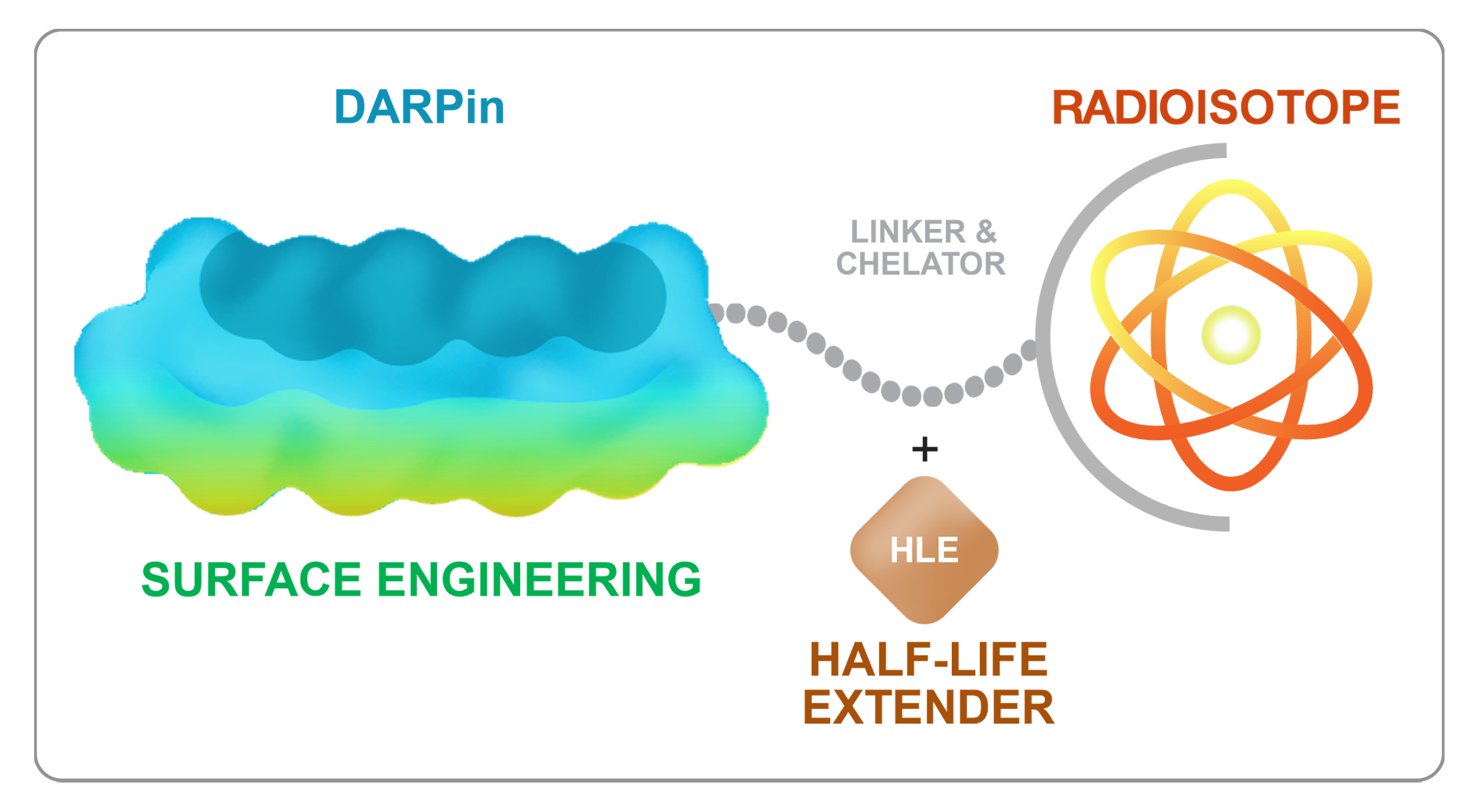
We have demonstrated preclinically that we can achieve an attractive biodistribution profile with high tumor uptake and low levels in healthy tissues across several targets and models.
First patient imaging and dosimetry data on MP0712 – our lead Radio-DARPin candidate -indicate specific and robust uptake in tumor lesions as well as favorable biodistribution.
We are developing our first Radio-DARPin therapeutics in collaboration with our strategic partner Orano Med, a pioneer in the development of targeted alpha therapies with 212Pb.
We design our Radio-DARPin candidates matching disease and target biology with vector and isotope properties to address unmet medical needs. Our isotope-agnostic strategy is enabled by pre-clinical data highlighting the Radio-DARPins suitability to different isotopes, including 212Pb and 225Ac.
A non-exclusive development agreement with Eckert & Ziegler, leading specialist in isotope-related components for nuclear medicine and radiation therapy, enables the development and manufacturing of Radio-DARPin therapeutics with further therapeutic alpha-emitting isotopes, including 225Ac.
Find out more about:
- MP0712 targeting DLL3 for the treatment of SCLC and other DLL3-expressing cancers
- MP0726 targeting MSLN for the treatment of ovarian cancer and other MSLN-expressing cancers
- Find out more about our isotope agnostic strategy in radio
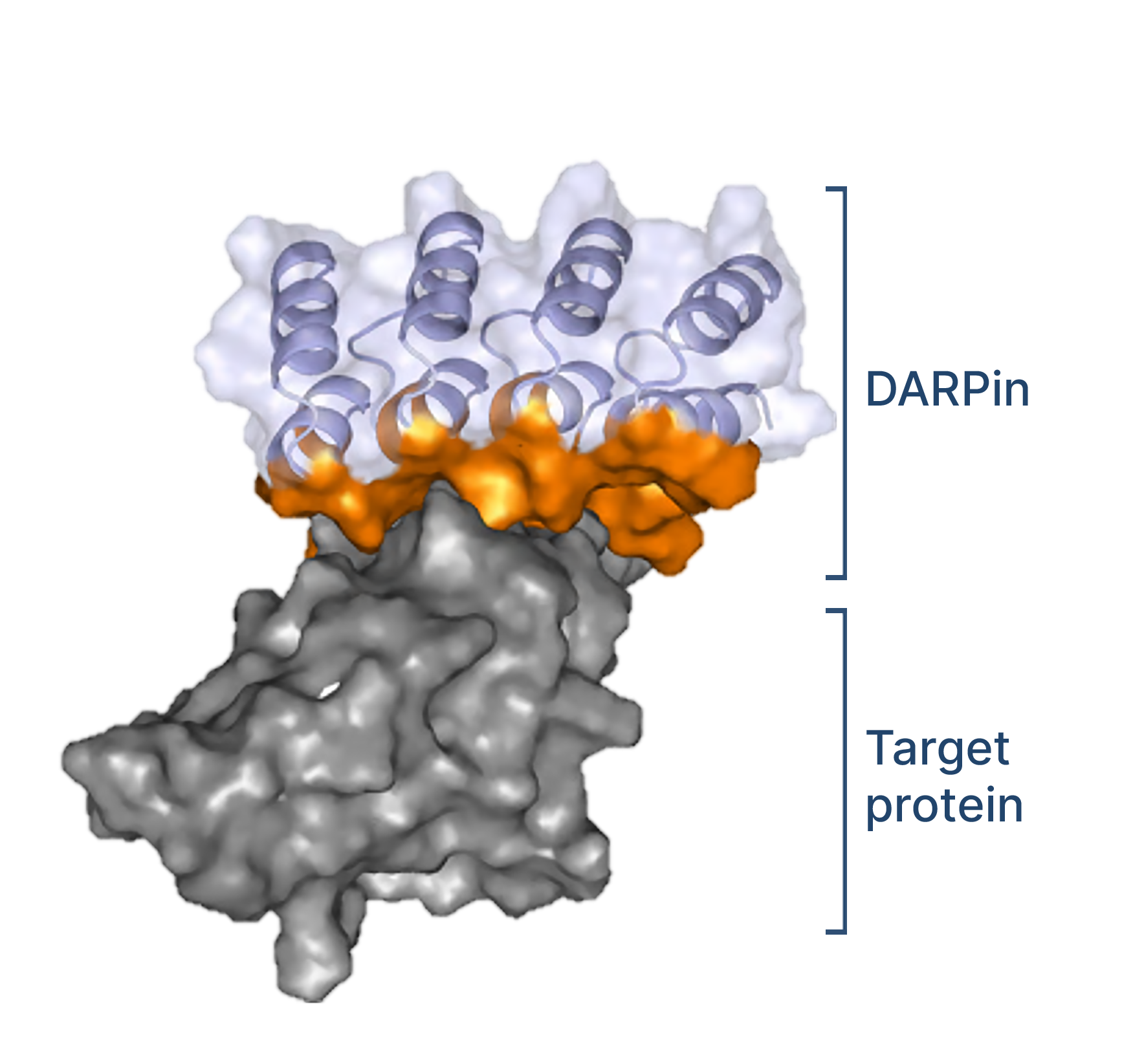 We have pioneered DARPin (Designed Ankyrin Repeat Protein) therapeutics, a new class of custom-built drugs based on natural binding proteins with the potential to overcome several limitations of current protein-based therapeutics.
 High affinity and specificity
 Multi-specificity
 Small size
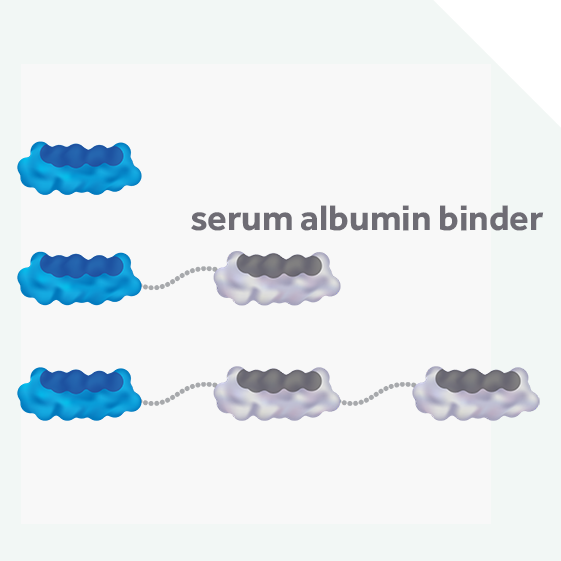 Tunable half-life
 1 DARPin = 1 function
 Stability and simple manufacturing
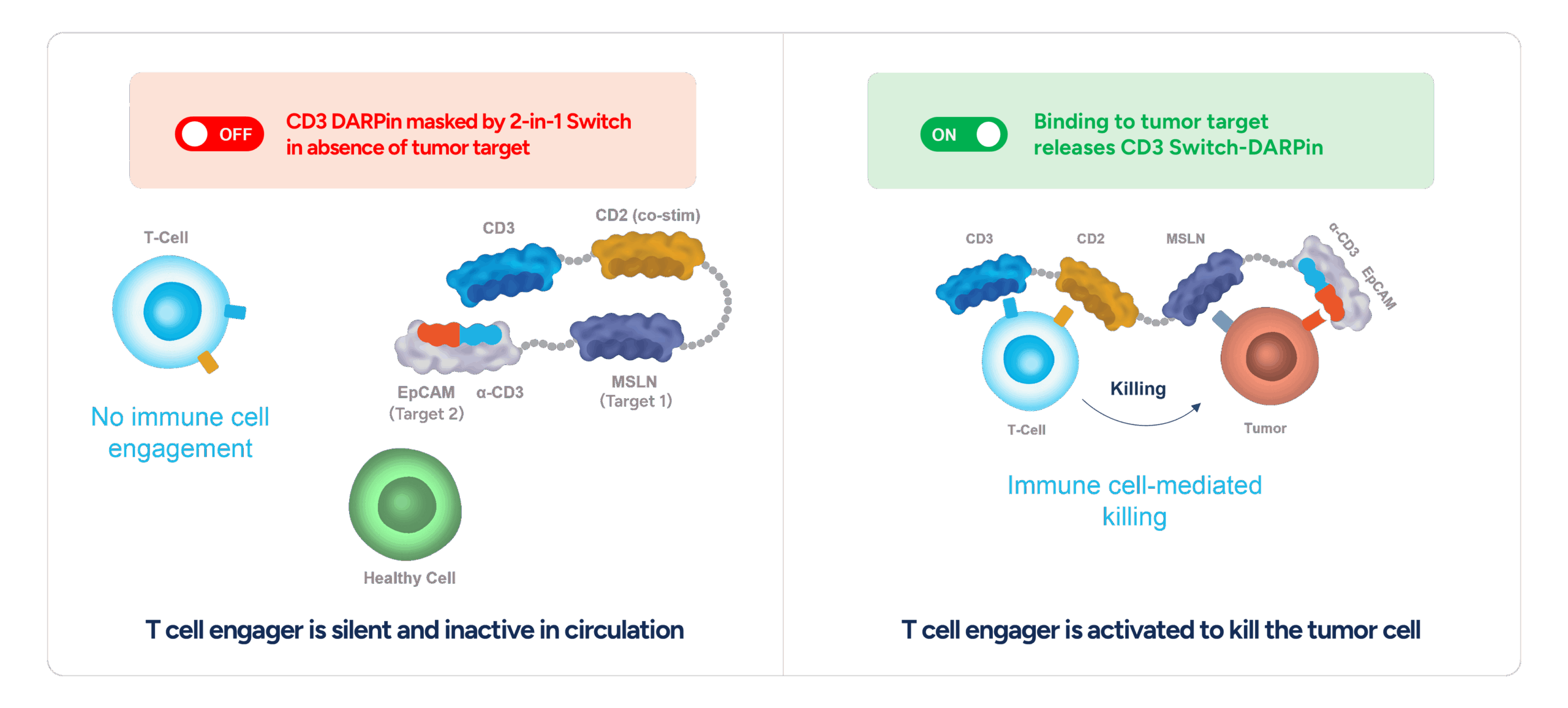
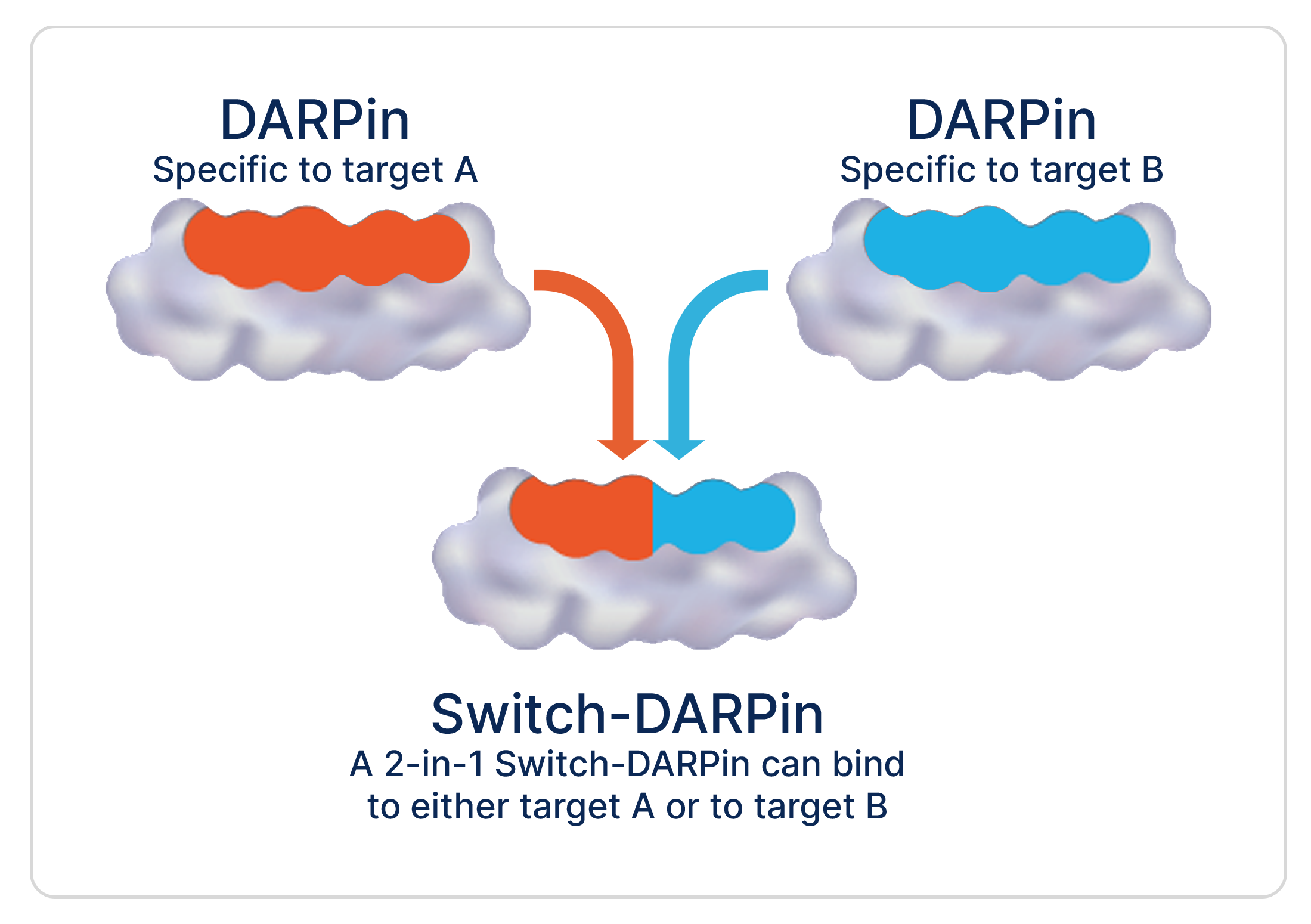 We have developed Switch-DARPins as a novel “logic-gated” approach for multi-specific DARPin therapeutics. Switch-DARPins enable targeted and conditional immune cell activation to maximize the impact of our next-generation immune cell engagers on the targeted tumor and minimize systemic side effects.